You've sat down at a yakitori bar. Smoke drifts from the grill. The handwritten menu lists twenty or thirty items, most of them in Japanese. The server is waiting. Where do you even begin?
This is the moment many first-time yakitori diners feel the most uncertain. The cuts have names like momo, hatsu, and reba — unfamiliar even to many visitors who have eaten Japanese food for years. And unlike a conveyor-belt sushi bar where you can see what you're ordering, yakitori arrives as an identical pair of small skewers with no visual cues to tell you what part of the chicken you're getting.
This guide demystifies the most common cuts, explains how to season each one, and gives you a beginner's ordering strategy so you can walk into any yakitori restaurant and feel confident from the very first skewer.
The Cuts Explained
Most yakitori menus are built around six to ten core cuts, with additional seasonal or specialty items. Here are the ones you'll encounter most often — and what to expect from each.
Momo (もも) — Chicken Thigh
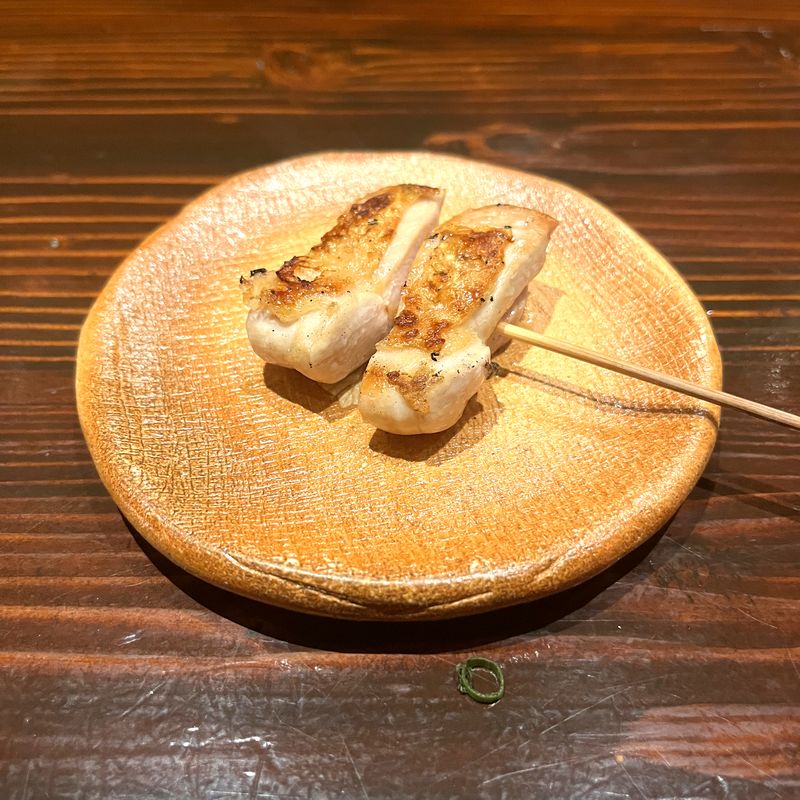
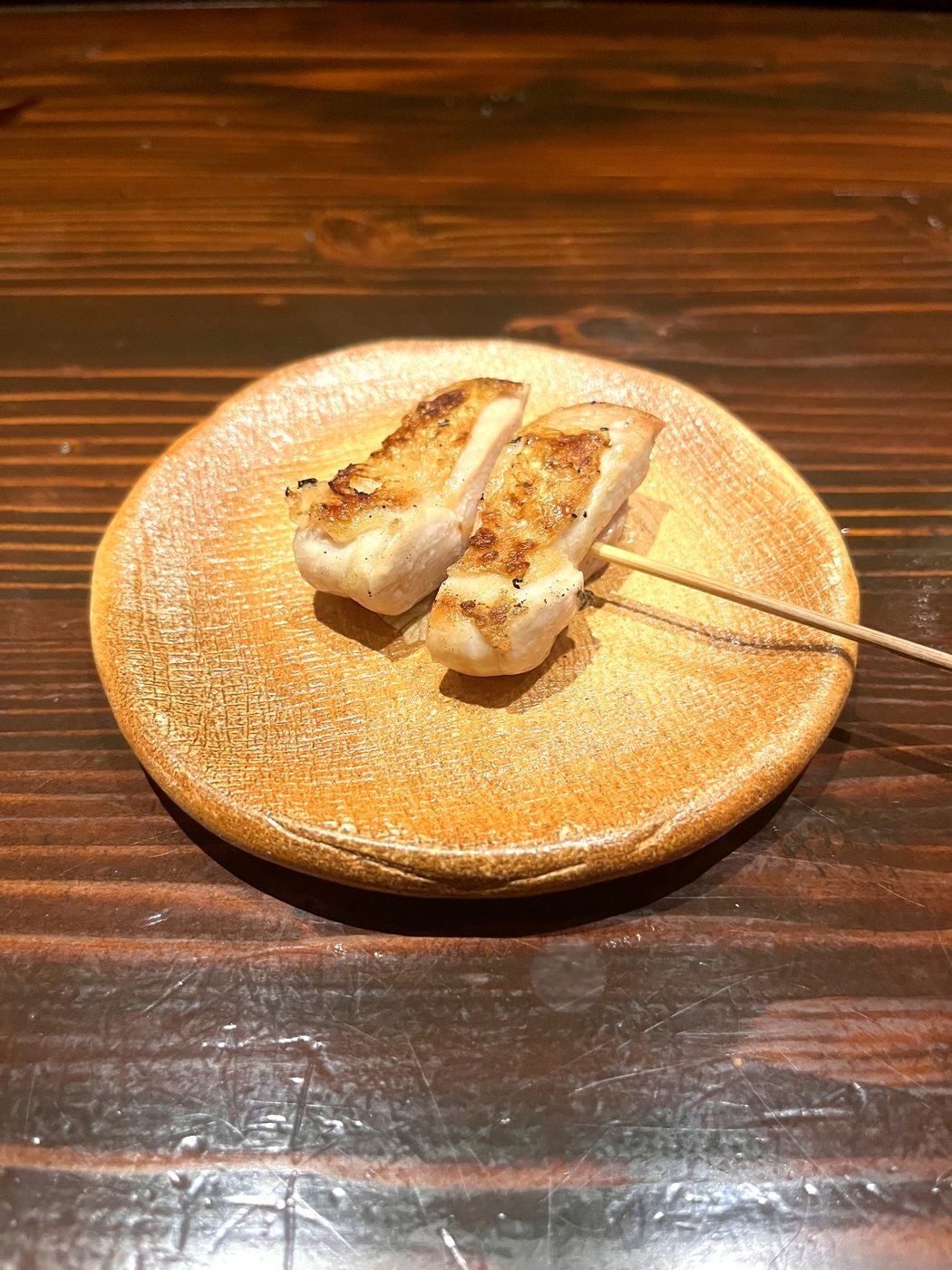
If there is one cut that defines yakitori, it is momo. The thigh is the most prized part of the bird for grilling: well-marbled with fat, deeply flavored, and forgiving enough that even a few extra seconds on the heat won't dry it out. The fat renders into the meat as it cooks, creating a basting effect from the inside out. A well-grilled momo should be slightly crispy at the edges, glossy, and incredibly juicy at the center.
Momo is the perfect introduction to yakitori precisely because it showcases what good grilling does. If you want to understand the difference between a mediocre yakitori bar and an exceptional one, order momo first — the quality of the ingredient and the skill of the grill cook are both written clearly in that single skewer.
Hatsu (ハツ) — Chicken Heart
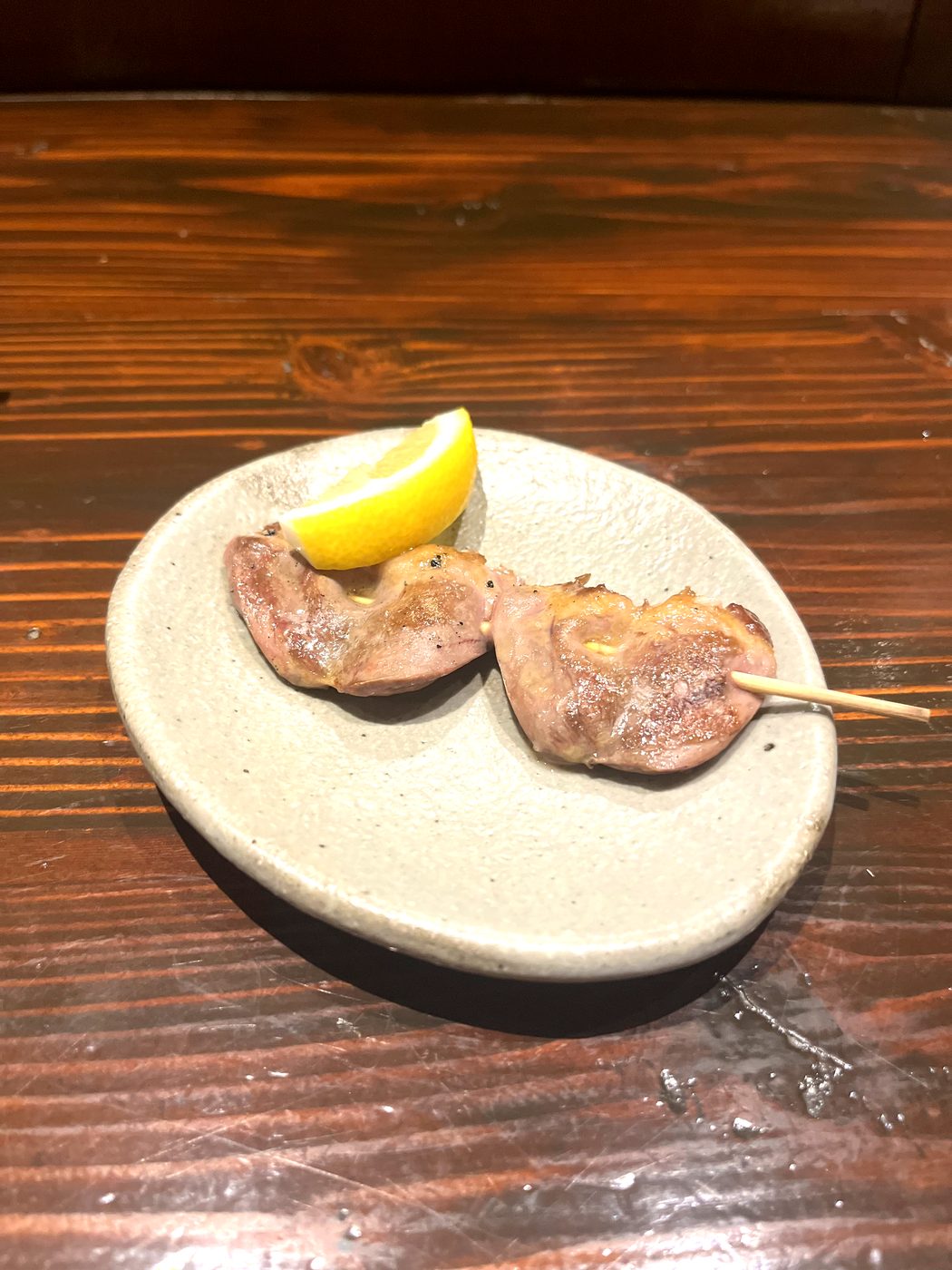
Hatsu surprises almost everyone who tries it for the first time. Chicken hearts are small, dense, and have a firm, slightly springy texture that is completely unlike the breast or thigh. The flavor is mild — a faint iron note — but clean and pleasant rather than offputting. When grilled properly, the outside develops a light char while the inside remains tender and pink.
Hatsu is almost universally served with shio (salt) rather than tare, and it pairs beautifully with a squeeze of fresh lemon. The acidity cuts through the richness and brightens the mineral flavor. If you've been hesitant about offal, hatsu is by far the most accessible entry point — it tastes far less "organ-like" than its classification suggests.
Reba (レバー) — Chicken Liver
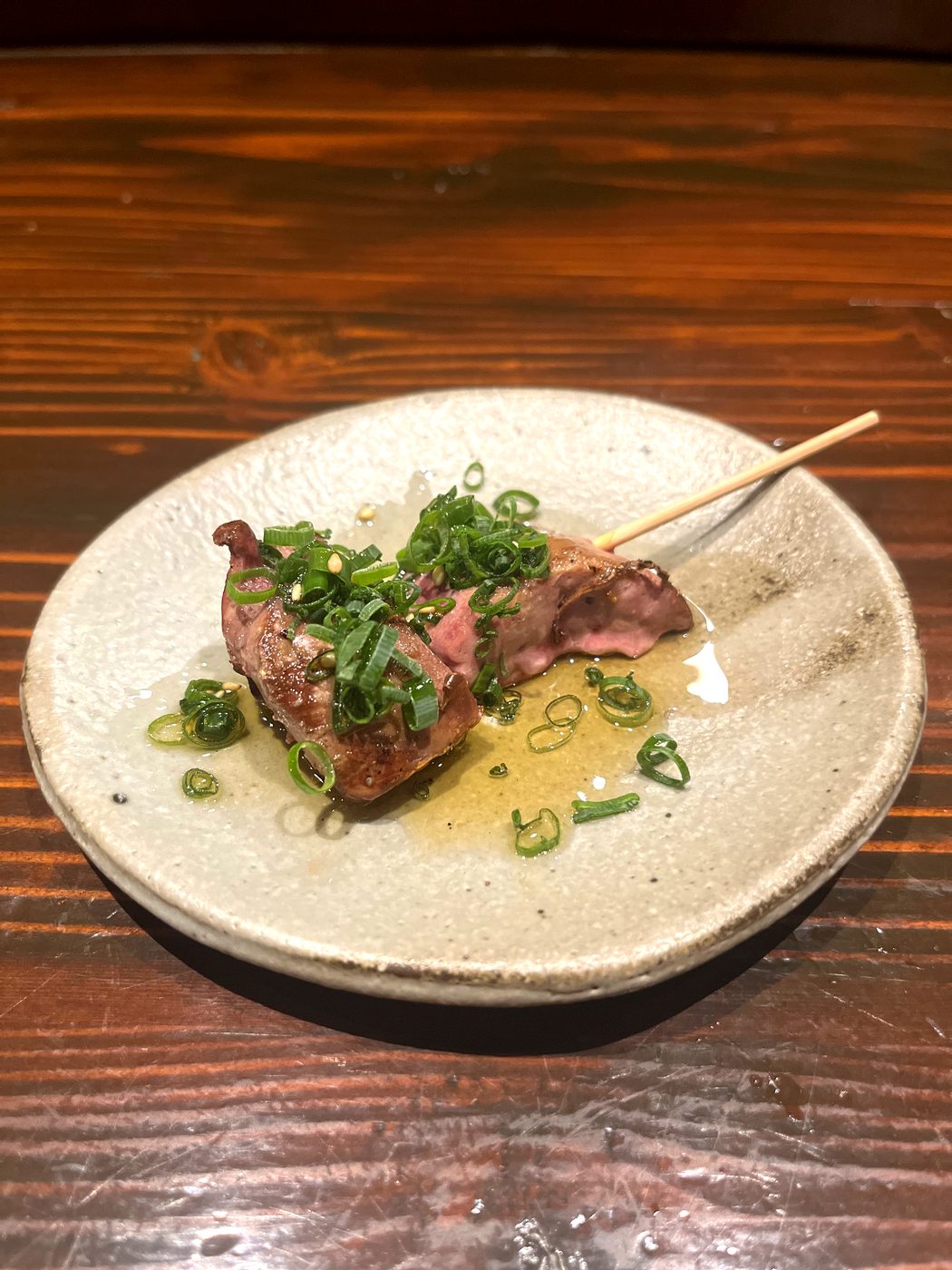
Reba is for those who want the boldest flavor on the menu. Chicken liver has a rich, creamy interior when cooked correctly — the key word being "correctly." Many people have encountered dry, grainy, or overly bitter liver and assumed that's just what liver tastes like. At a skilled yakitori bar, reba is a revelation: the center stays barely cooked, almost custard-like, while the outside develops a lightly caramelized crust.
Reba is almost always recommended with tare (sweet soy glaze) rather than shio, because the sweetness of the sauce counterbalances the liver's intensity. A well-made tare brings depth and cohesion to the skewer. If reba sounds intimidating, think of it this way: properly grilled chicken liver is essentially chicken foie gras — rich, lush, and impossible to stop eating.
Sasami (ささみ) — Breast Tenderloin
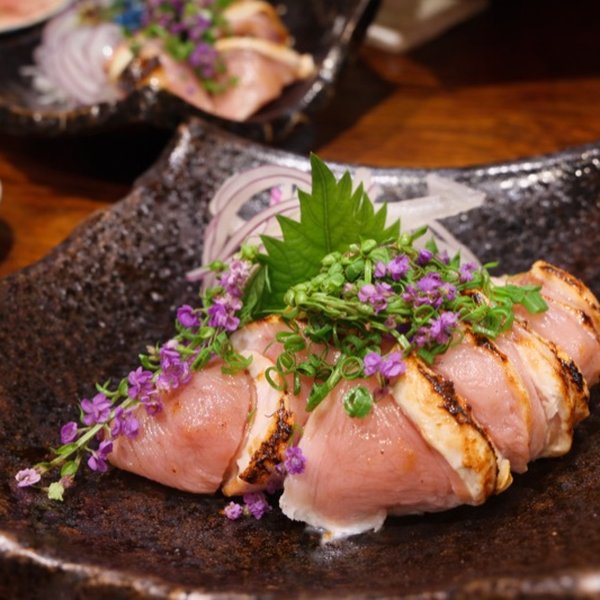
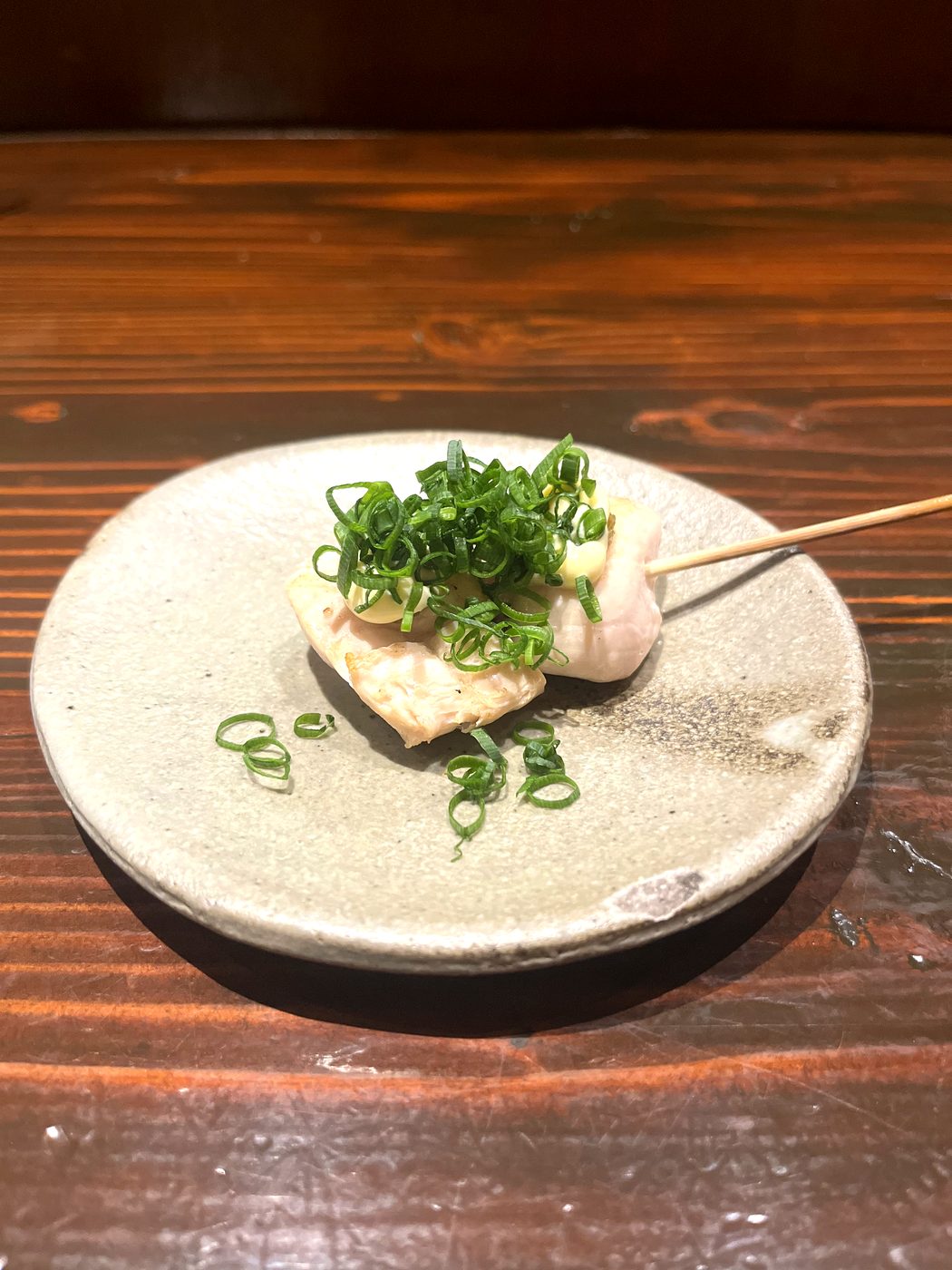
Sasami is the inner tenderloin of the chicken breast — a slender, pale-fleshed cut that is the leanest option on the yakitori menu. Because it has very little fat, sasami is the most delicate cut to grill correctly: too long on the heat and it becomes dry and chalky. In the hands of a skilled grill cook, however, it has a silky, tender texture and a clean, subtle flavor that acts as the perfect canvas for condiments.
The traditional accompaniment for sasami is either fresh wasabi and shio, or a generous topping of chopped scallions with a drizzle of sesame oil. Both pairings work brilliantly. The wasabi version is especially notable — the gentle heat of fresh wasabi (far more fragrant and less aggressive than the tubed variety) elevates the delicate chicken without overpowering it. If you're watching your calorie intake, sasami is your best friend on the menu.
Shiitake (椎茸) — Shiitake Mushroom
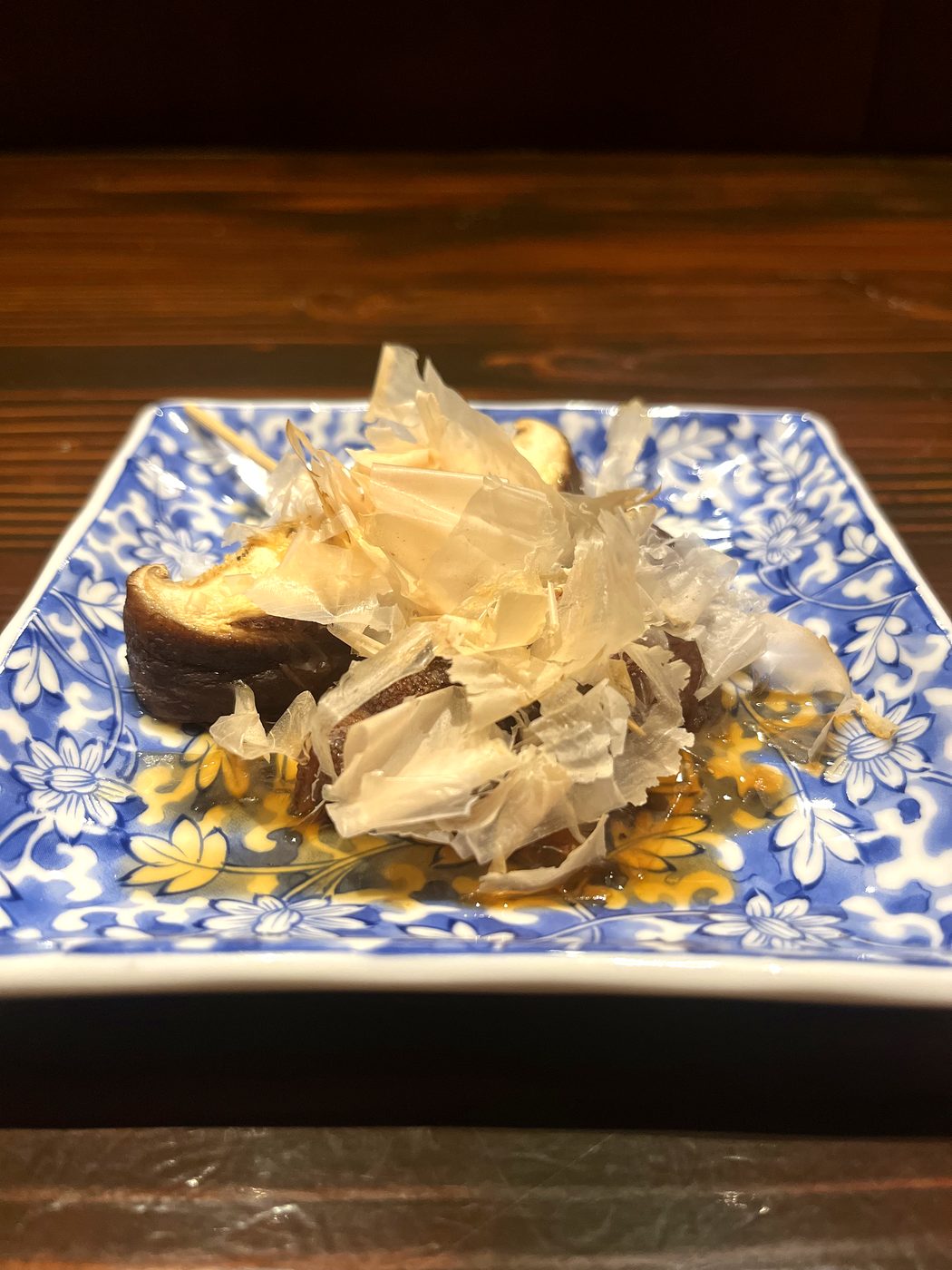
Not every skewer on a yakitori menu is chicken. Shiitake mushroom is one of the most beloved vegetable skewers, and for good reason: when grilled over high heat, the caps release their moisture, concentrate their umami, and develop a meaty, smoky depth that can rival the chicken skewers around them. The stem is typically removed, and the whole cap is skewered and grilled until lightly charred at the edges.
At many yakitori bars, shiitake is finished with a scraping of bonito flakes (katsuobushi), which melt slightly against the hot mushroom and add an extra layer of savory complexity. It's a simple but devastating combination — earthy, umami-rich, and deeply satisfying. Even dedicated carnivores often find themselves ordering a second round of shiitake.
Other Common Cuts Worth Knowing
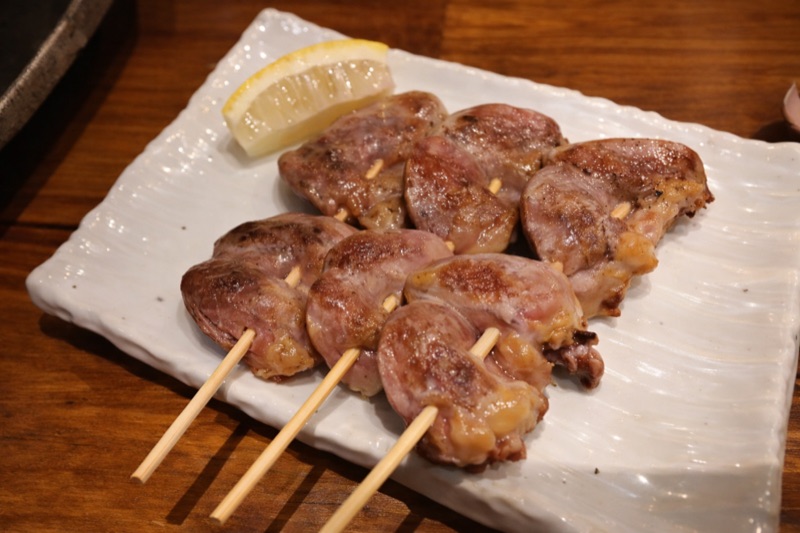
Beyond the five cuts above, a well-rounded yakitori menu will typically include several more. Negima (ねぎま) alternates pieces of chicken thigh with sections of long green onion — the leek caramelizes on the grill and adds a sweet, slightly smoky note. Tsukune (つくね) is a hand-formed chicken meatball, often bound with egg yolk and seasoned with ginger and soy. It is usually served with tare and comes with a raw egg yolk for dipping in many traditional bars. Kawa (皮) is chicken skin — rendered crispy and golden, it is one of the most indulgent skewers on the menu and pairs perfectly with cold beer. Finally, Sunagimo (砂肝) — the gizzard — has an extremely firm, crunchy texture that either captivates or divides diners. Its neutral flavor takes well to both shio and tare.
A good rule of thumb: the more unfamiliar a cut sounds, the more likely it is that you'll be glad you tried it. Yakitori culture rewards the curious diner.
Salt (Shio) vs. Sauce (Tare)
Every skewer at a yakitori bar comes with a fundamental choice: shio (塩, salt) or tare (タレ, sweet soy-based sauce). This isn't a casual decision — many yakitori purists have strong opinions about which cuts deserve which treatment, and experienced grill cooks will often give you their recommendation before you even ask.
When to Choose Shio
Salt is the more revealing seasoning. It enhances and showcases the natural flavor of the ingredient without adding any competing notes. Shio is the right choice when the cut has exceptional fat content or inherent flavor worth protecting — momo, hatsu, and sasami all benefit from shio. It's also the traditional choice for cuts that have a delicate texture, since the sweetness of tare can sometimes mask subtleties.
When you order shio, you'll often be given a wedge of lemon or yuzu on the side. A small squeeze before eating brings up the brightness of the salt and adds a fragrant citrus note. Don't skip this — it makes a genuine difference.
When to Choose Tare
Tare is a deeply complex sauce built up over time — many yakitori bars maintain a "master tare" pot that is replenished daily but never fully replaced, accumulating decades of dripping fats and reduced glazes into a single concentrated umami base. Tare coats the skewer with a lacquer-like glaze as it grills, caramelizing slightly at the edges and adding sweetness, depth, and savory richness.
Tare works best with cuts that have strong flavors which benefit from the sauce's moderating effect — reba being the prime example. It also suits cuts with high fat content like kawa (skin), where the sweetness plays against the richness in a pleasing way. Tsukune is almost always ordered with tare; the sauce is an intrinsic part of the dish rather than a condiment.
The Philosophy
In Japan, there is a quiet pride in shio ordering. Choosing salt signals to the kitchen that you trust the quality of their ingredients and don't need the sauce to hide anything. That said, this is not a hard rule — tare exists precisely because it produces exceptional results. When in doubt, follow the recommendation of whoever is behind the grill.
A Beginner's Recommended Order
If you're visiting a yakitori bar for the first time and want a logical progression through the menu, here is a reliable sequence that showcases the range of what yakitori can be:
- Start with momo shio. This is the reference point. Before anything else, taste the thigh with just salt and understand what the grill and the chicken taste like on their own. This sets the benchmark for everything that follows.
- Then order hatsu shio with lemon. The contrast in texture from momo is immediate — firm and springy versus yielding and juicy. The lemon reveals how a simple acid can transform a skewer completely.
- Move to reba tare. This is the most intensely flavored stop on the tour. If you've been skeptical about liver, this is the version that converts people. Order it and eat it immediately — reba is at its best when piping hot.
- Follow with sasami and wasabi. After the richness of reba, the clean lean flavor of sasami resets the palate. The wasabi is not there for heat — it's there for fragrance. Use just a small amount on each bite.
- Order shiitake at any point. Shiitake works as a palate cleanser between the richer chicken cuts. It's the ideal skewer to have alongside a beer or cold sake.
- Finish with tsukune tare. The meatball makes a satisfying conclusion — it's hearty, deeply savory, and the raw egg yolk dipping sauce (if offered) provides a silky, rich finish to the meal.
At Danke: Lava Stone Grilling
Understanding the cuts is one thing — experiencing them grilled over volcanic stone is something else entirely. At Danke in Tenjinbashi, every skewer on the yakitori menu is cooked over lava stone, a technique that uses far-infrared heat to cook the meat from the inside out rather than scorching the surface first.
The difference is most apparent in cuts that rely on juiciness for their character. Momo grilled over lava stone retains more of its natural moisture than the same cut cooked over gas. Hatsu develops a beautifully even char without drying out in the center. Reba — the most technically demanding cut to grill — stays creamy inside in a way that requires precise, gentle heat rather than aggressive flame.
The porous surface of the lava stone also captures dripping fats and juices, which vaporize back up toward the skewers as aromatic steam. This self-basting effect is a significant part of why lava stone yakitori has such a clean, lingering flavor rather than the charred intensity sometimes associated with direct flame grilling. If you want to understand the technique in more depth, read our detailed article on what lava stone grilling is and how it works.
At Danke, the lava stone grill runs at a precise, consistent temperature from the moment the kitchen opens. Every skewer benefits from that stability — no hot spots, no temperature drops when a cold cut hits the surface.
Tips for the Best Yakitori Experience
A few final pieces of advice that will make your time at any yakitori bar more enjoyable:
- Order in rounds, not all at once. Yakitori is meant to be eaten immediately off the grill. Ordering two or three skewers at a time ensures each one arrives hot. A table full of skewers that have been sitting for ten minutes is a wasted experience.
- Don't over-sauce. If you've ordered shio, resist the urge to add extra seasoning. The grill cook has already balanced the salt. Adding soy sauce from the table condiments will throw off the entire skewer.
- Eat in one or two bites. A yakitori skewer is not a thing to nibble. Bite it cleanly off the stick, or if the pieces are large, take two bites from the end inward. This keeps the meat from falling apart and maintains the temperature.
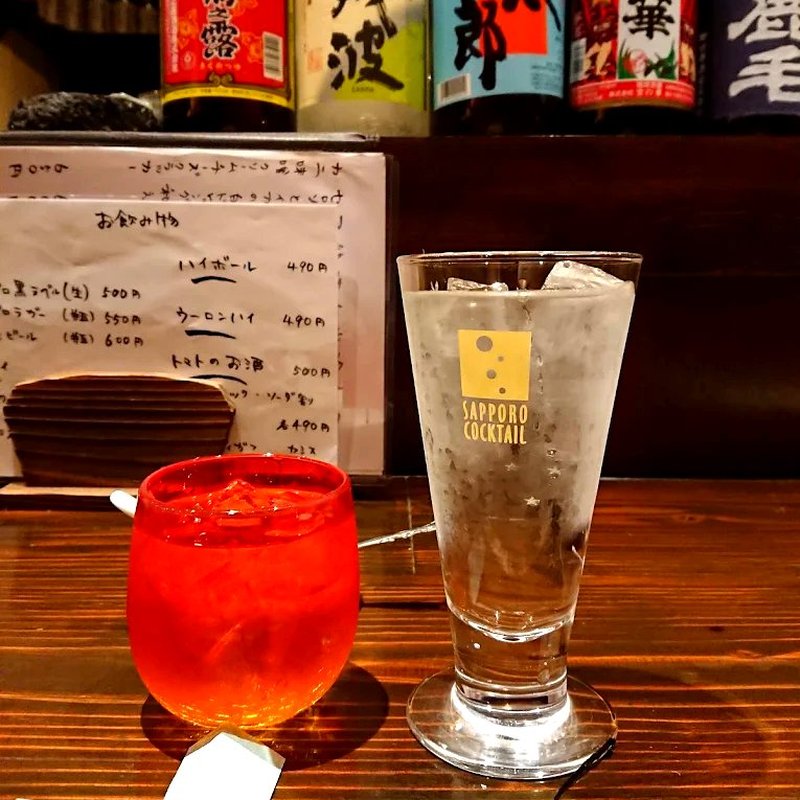
- Pair thoughtfully. Light, delicate cuts like sasami pair best with cold sake or dry beer. Rich cuts like reba and kawa call for something with body — a junmai sake or a whisky highball. The match between drink and skewer is one of the deep pleasures of yakitori culture.
- Tell the grill cook your preference. At most yakitori bars, the cook behind the counter is happy to guide you. If you want your liver barely cooked or your thigh more well done, say so. This is not a fussy request — it's exactly the kind of conversation the best yakitori cooks enjoy having.
Yakitori rewards attention. The more you pay to the cuts, the seasoning, and the quality of the grill, the more you'll get out of every visit. There is no more honest form of Japanese cooking — just exceptional ingredients, precise heat, and the patience to do both of them justice.
你坐在了一家烤串店里。炭烤的烟雾从烤架上飘散开来。菜单上密密麻麻写着二三十个品种,大多是日文名称。服务员正等着你点餐。你该从哪里开始?
这是许多第一次来烤串店的客人最感到迷茫的时刻。烤串的部位有もも、ハツ、レバー这样的名字——即便是吃了多年日本料理的客人也往往感到陌生。而且,不像回转寿司那样可以看到食物的样子,烤串端上来就是两根外观相似的小串,根本看不出来自鸡身的哪个部位。
本文将为你解开最常见部位的谜题,讲解每种部位如何调味,并提供适合初次点餐的推荐顺序,让你走进任何一家烤串店都能从第一根串就充满自信。
部位详解
大多数烤串菜单以六到十个核心部位为基础,另附季节性或特色品种。以下是最常见的几种——以及各自的风味特点。
もも(鸡腿肉)
如果说有哪个部位能代表烤鸡串,那就是もも了。鸡腿肉是最适合烤制的部位:油花分布均匀,风味浓郁,即便在炭火上多待几秒也不会变干。脂肪在烤制过程中慢慢渗入肉质,形成由内而外的自我润泽效果。烤制完美的もも表皮微微焦脆,色泽发亮,内里却无比多汁。
もも正是认识烤串的完美入口,因为它直接体现了好的烤制工艺能带来什么。若想判断一家烤串店的水准高低,先点一串もも——食材的质量和烤师的功力都写在这一根串里了。
ハツ(鸡心)
几乎所有第一次尝试ハツ的人都会大感意外。鸡心体积小、质地密实,口感紧弹,与鸡胸或鸡腿完全不同。味道清淡,略带一丝铁质感,但干净不腻,绝非令人排斥的那种。烤制得当的鸡心外皮有轻微焦色,内里嫩粉适口。
ハツ几乎清一色配盐(shio)而非酱汁,挤一点新鲜柠檬汁食用堪称绝配。酸味中和了丰润感,让那一丝矿物风味更加明亮。如果你一直对内脏类食物有所顾虑,ハツ毫无疑问是最友好的入门之选——它的味道远比"内脏"这个分类让人想象的要温和得多。
レバー(鸡肝)
レバー是菜单上风味最浓烈的选择。鸡肝烤制得当时,内里细腻如奶油——关键就在于"得当"二字。很多人曾经吃到过干柴、颗粒感强或带苦味的肝,便以为肝脏本来就是这种味道。然而,在技艺精湛的烤串店里,レバー令人眼前一亮:中心保持半熟状态,近乎嫩豆腐般软滑,外皮则形成淡淡的焦糖色外壳。
レバー几乎总是推荐搭配酱汁(tare)而非盐,因为酱汁的甜味能平衡鸡肝浓烈的个性。一款好的tare为这根串带来层次与整体感。如果你对レバー心存顾虑,不妨换个角度想:烤制完美的鸡肝,本质上就是鸡版鹅肝——浓郁、鲜润,让人欲罢不能。
ささみ(鸡胸里脊)
ささみ是鸡胸内侧的里脊肉——细长、色泽白嫩,是烤串菜单上最精瘦的部位。正因为脂肪含量极低,ささみ也是最考验烤制技术的部位:在火上多停一会儿就会变干发柴。然而,在技艺娴熟的烤师手中,它口感丝滑嫩软,风味清淡细腻,是搭配佐料的绝佳"画布"。
ささみ的传统搭配是新鲜山葵配盐,或大量切碎的葱花淋上少许芝麻油。两种搭配都非常出色。山葵版本尤为值得一提——新鲜磨制的山葵(香气远比管装山葵更为馥郁,辣味也更为温柔)完美衬托出细嫩的鸡肉,而不喧宾夺主。如果你正在注重热量摄入,ささみ是菜单上当之无愧的最佳选择。
椎茸(香菇)
烤串菜单上并非每串都是鸡肉。椎茸是最受欢迎的蔬菜串之一,原因不难理解:大火炙烤之下,香菇释放水分、鲜味浓缩,形成厚实、烟熏的层次感,足以与周围的鸡肉串媲美。香菇通常去柄,整个菌盖穿串烤至边缘微焦。
许多烤串店会在椎茸出炉时撒上柴鱼片,柴鱼片贴着热烫的菇盖微微融化,又添一层鲜香的复合感。这个搭配看似简单,却令人折服——土香、鲜味、满足感一气呵成。即便是无肉不欢的客人,往往也会忍不住再加点一轮椎茸。
其他常见部位
除以上五个部位外,一份完整的烤串菜单通常还会包括以下品种。ねぎま将鸡腿肉与大葱段交替穿串——葱段在炭火上焦糖化,散发甘甜微熏的香气。つくね是手工捏制的鸡肉丸,通常加入鸡蛋液和生姜、酱油调味,多配酱汁食用,部分传统店铺会附上生蛋黄用于蘸食。皮(鸡皮)烤至金黄酥脆,是菜单上最令人欲罢不能的部位之一,搭配冰啤酒堪称完美。最后,砂肝(鸡胗)口感极为紧实有嚼劲,令人或着迷或不适,其中性的味道盐腌、酱汁两相宜。
有一条经验之谈:越是听起来陌生的部位,往往越是会让你庆幸自己尝试了它。烤串文化奖励敢于探索的食客。
盐(塩)vs. 酱汁(タレ)
在烤串店,每根串都面临一个基本选择:塩(盐)还是タレ(甜酱油酱汁)。这绝非随意之举——许多烤串行家对哪个部位该用哪种调味有着强烈的主张,经验丰富的烤师往往在你开口之前就会给出推荐。
何时选盐
盐是更能揭示食材本味的调味方式。它在不添加任何竞争性风味的情况下提升和展现食材的天然味道。对于本身脂肪丰富或风味独特值得呈现的部位,盐是首选——もも、ハツ、ささみ都更适合盐调味。同时,盐也是质地细腻的部位的传统选择,因为タレ的甜味有时会遮盖微妙之处。
点盐调味时,通常会附上一片柠檬或柚子。食用前挤上少许果汁,能激活盐味的亮度并增添芬芳的柑橘香气。不要跳过这一步——它确实会带来显著的改变。
何时选酱汁
タレ是一种经过长时间积淀的复杂酱汁——许多烤串店的"老汤タレ"每日补充但从不彻底更换,积累了数十年滴落的油脂与浓缩酱汁,形成独一无二的鲜味基底。タレ在烤制过程中为串均匀上色,边缘略微焦糖化,赋予食物甜感、深度与丰富的鲜味。
タレ最适合本身风味浓烈的部位,能起到平衡和调和的作用——レバー是最典型的例子。它也适合脂肪丰富的部位,如皮(鸡皮),甜味与油脂形成令人愉悦的对比。つくね几乎永远配タレ;这里酱汁是菜肴不可分割的一部分,而非单纯的佐料。
背后的哲学
在日本,选盐调味被认为是一种低调的骄傲。选择盐,意味着你信任他们食材的品质,不需要酱汁来掩盖任何东西。当然,这并非一条绝对的规则——タレ的存在本身就证明了它能带来出色的效果。拿不定主意时,跟随烤架后面那个人的建议就好。
初学者推荐点餐顺序
如果你是第一次造访烤串店,想要有条理地领略菜单上的多种风味,以下是一套可靠的顺序,能让你体验到烤串的丰富多样:
- 从もも盐味开始。这是基准。在品尝其他任何东西之前,先感受鸡腿肉只用盐的味道,了解这家店的烤架和鸡肉本身的风味。这将成为后续所有比较的参照。
- 再来ハツ盐味配柠檬。与もも的质感对比立竿见影——紧实弹牙对比柔嫩多汁。柠檬告诉你,一点简单的酸味能彻底改变一根串的体验。
- 然后点レバー酱汁。这是旅程中风味最浓郁的一站。如果你一直对鸡肝持怀疑态度,这正是能让人转变想法的版本。点来趁热马上吃——レバー最佳状态就在刚出炉那一刻。
- 接着来ささみ配山葵。经过レバー的浓郁之后,ささみ清淡精瘦的风味能有效重置味觉。山葵不是为了辣,而是为了香气。每口只用少量即可。
- 椎茸可以随时点。椎茸在较为油腻的鸡肉串之间发挥清口作用,是搭配啤酒或冷清酒的理想之选。
- 最后以つくね酱汁收尾。肉丸是令人满足的收场——扎实、鲜味浓郁,若有生蛋黄蘸酱,滑润丰美的口感为整餐画上完美句点。
在だんけ:熔岩石烧烤
了解部位是一回事——亲身体验用火山石烤制的风味则完全是另一个境界。位于天神桥的だんけ,菜单上的每一根烤串都经由熔岩石烤制。这项技术利用远红外线热量由内而外加热肉质,而非从表面开始炙烤。
差异在注重多汁性的部位上最为显著。熔岩石烤制的もも比燃气烤制保留了更多天然水分;ハツ形成均匀美丽的焦色,而中心不会干燥;レバー——烤制难度最高的部位——内里保持奶油质感,这需要的是精准温和的热力,而非猛烈的火焰。
熔岩石的多孔表面还能吸收滴落的油脂和汁液,再以芬芳的蒸汽形式向上蒸发回串上。这种自我润泽的效果,正是熔岩石烤串拥有如此干净、绵长回味的重要原因,而非直接火焰烧烤有时带来的那种炭烤焦香。如果你想深入了解这项技术,欢迎阅读我们关于熔岩石烧烤是什么及其原理的详细文章。
在だんけ,熔岩石烤架从厨房开张起就保持精准稳定的温度。每一根串都受益于这种稳定性——没有热点,也没有冷切入炉时的温度骤降。
享受最佳烤串体验的小贴士
最后几点建议,让你在任何烤串店都能拥有更愉快的体验:
- 分批点餐,而非一次全点。烤串就该从炭火上直接送入口中。每次点两三根,确保每一根都趁热享用。摆了十分钟的满桌烤串,是一种浪费。
- 不要过度调味。如果你点的是盐味,请抵制添加额外调料的冲动。烤师已经精确调好了盐量。随手从桌上佐料里加酱油,会破坏整根串的平衡。
- 一两口吃完。烤串不是用来细嚼慢啃的。干脆地从签上咬下,若肉块较大则从末端往内取两口吃完。这样能保持肉块不散,也维持温度。
- 搭配饮品要用心。清淡细腻的部位如ささみ,最适合搭配冷清酒或清爽的啤酒;浓郁的レバー和皮则呼唤有厚度的饮品——纯米清酒或威士忌高球都是好选择。饮品与串的搭配,是烤串文化深层乐趣之一。
- 告知烤师你的偏好。大多数烤串店,站在吧台后面的烤师很乐意为你引导。想要鸡肝半熟,或是鸡腿烤得更熟一些,直接说即可。这不是挑剔的要求——恰恰是最好的烤师们乐于进行的对话。
烤串,奖励认真品味的人。越用心留意部位、调味与烤制的品质,每一次造访就越有收获。这是日本料理中最诚实的形式——绝佳食材、精准火候,以及为二者都值得付出的耐心。
야키토리 바에 자리를 잡았습니다. 그릴에서 연기가 피어오르고, 손으로 쓴 메뉴에는 스무 가지에서 서른 가지 품목이 빼곡히 적혀 있습니다. 대부분은 일본어 이름입니다. 직원이 주문을 기다리고 있습니다. 어디서부터 시작해야 할까요?
야키토리 바를 처음 방문하는 많은 손님이 가장 당황하는 순간이 바로 이때입니다. 부위 이름은 모모, 하쓰, 레바처럼 낯설기만 합니다. 회전초밥처럼 눈으로 보고 고르는 방식이 아니다 보니, 외관상 똑같이 생긴 작은 꼬치가 나와도 닭의 어느 부위인지 전혀 알 수가 없죠.
이 가이드는 가장 흔히 등장하는 부위들의 궁금증을 풀어드리고, 각 부위에 어울리는 양념법을 설명하며, 처음 방문하는 분도 첫 번째 꼬치부터 자신감 있게 즐길 수 있는 초보자용 추천 주문 순서를 안내합니다.
부위 상세 안내
대부분의 야키토리 메뉴는 여섯 가지에서 열 가지 핵심 부위를 중심으로 구성되고, 계절 한정이나 특선 메뉴가 추가됩니다. 가장 자주 만나게 될 부위들과 각각의 특징을 소개합니다.
모모(もも)— 닭다리살
야키토리를 대표하는 부위 하나를 꼽자면 단연 모모입니다. 허벅지 살은 구이에 가장 적합한 부위입니다. 지방이 골고루 박혀 있어 풍미가 깊고, 불 위에 몇 초 더 올려두어도 퍽퍽해지지 않는 넉넉한 여유가 있습니다. 지방이 구워지면서 육즙 속으로 스며들어 안에서부터 촉촉하게 만들어 줍니다. 잘 구운 모모는 가장자리가 살짝 바삭하고 윤기가 흐르며, 속은 믿을 수 없을 만큼 촉촉합니다.
모모가 야키토리 입문에 완벽한 이유는 바로 이 부위가 좋은 구이 기술의 진가를 가장 솔직하게 보여주기 때문입니다. 평범한 야키토리 가게와 훌륭한 가게의 차이를 알고 싶다면 모모를 먼저 주문하세요. 재료의 품질과 요리사의 실력이 꼬치 하나에 고스란히 담겨 있습니다.
하쓰(ハツ)— 닭 염통
하쓰는 처음 맛보는 거의 모든 사람을 놀라게 합니다. 닭 염통은 작고 밀도가 높으며, 가슴살이나 다리살과는 전혀 다른 쫄깃하고 탄력 있는 식감을 자랑합니다. 맛은 순하고 철분이 살짝 느껴지지만, 불쾌하지 않고 오히려 깔끔합니다. 제대로 구우면 겉에 가볍게 탄 자국이 생기면서 속은 부드럽고 분홍빛이 남습니다.
하쓰는 거의 항상 타레보다 시오(소금)로 맛을 내고, 신선한 레몬을 살짝 짜서 먹으면 환상적인 조합이 됩니다. 산미가 풍미를 정리해 주고 미네랄 향을 더욱 생생하게 살려줍니다. 내장류에 거부감이 있다면 하쓰가 가장 부담 없는 시작점입니다. 분류는 내장이지만 실제 맛은 그 이름이 주는 이미지보다 훨씬 부드럽습니다.
레바(レバー)— 닭 간
레바는 메뉴에서 가장 강렬한 맛을 경험하고 싶은 분을 위한 선택입니다. 닭 간은 제대로 조리하면 속이 크리미하고 부드럽습니다. '제대로'라는 말이 핵심입니다. 퍽퍽하거나 씁쓸한 간을 먹고 원래 이런 맛이라고 생각하시는 분도 많습니다. 하지만 실력 있는 야키토리 가게에서의 레바는 완전히 다른 세계입니다. 속은 반숙 상태로 거의 커스터드처럼 부드럽고, 겉은 가볍게 캐러멜화된 크러스트가 형성됩니다.
레바는 거의 항상 시오보다 타레를 추천합니다. 소스의 단맛이 간의 강렬함을 조화롭게 잡아주기 때문입니다. 잘 만든 타레는 꼬치에 깊이와 응집력을 부여합니다. 레바가 부담스럽게 느껴진다면 이렇게 생각해 보세요. 제대로 구운 닭 간은 본질적으로 닭의 푸아그라입니다. 진하고 촉촉하며 손을 멈출 수가 없습니다.
사사미(ささみ)— 안심살
사사미는 닭가슴살 안쪽의 안심 부위입니다. 가늘고 연한 색을 띠며 야키토리 메뉴에서 가장 담백한 선택입니다. 지방이 거의 없기 때문에 구울 때 가장 기술이 필요한 부위이기도 합니다. 불 위에 조금만 더 올려두어도 퍽퍽해지고 맛이 떨어집니다. 그러나 숙련된 요리사의 손에서는 비단처럼 부드럽고 깔끔한 맛이 나며, 양념이나 토핑의 맛을 그대로 살려주는 훌륭한 바탕이 됩니다.
사사미의 전통적인 곁들임은 신선한 와사비와 소금, 또는 잘게 썬 파에 참기름을 살짝 뿌린 것입니다. 두 가지 모두 훌륭하게 어울립니다. 특히 와사비 버전이 인상적입니다. 생와사비의 은은한 향(튜브 제품보다 훨씬 향긋하고 덜 자극적입니다)이 섬세한 닭고기를 압도하지 않고 끌어올려 줍니다. 칼로리를 신경 쓰신다면 사사미는 메뉴에서 최고의 선택입니다.
시이타케(椎茸)— 표고버섯
야키토리 메뉴의 모든 꼬치가 닭고기인 것은 아닙니다. 표고버섯은 가장 사랑받는 채소 꼬치 중 하나이며, 그럴 만한 이유가 있습니다. 강한 불에 구우면 갓에서 수분이 빠져나오며 감칠맛이 농축되고, 주변 닭고기 꼬치와 견줄 만한 육감적이고 스모키한 깊이가 생깁니다. 대부분 기둥을 제거하고 갓 전체를 꼬치에 꿰어 가장자리가 살짝 탈 때까지 굽습니다.
많은 야키토리 가게에서 시이타케를 가쓰오부시(가다랑어포)와 함께 마무리합니다. 뜨거운 버섯 위에서 가쓰오부시가 살짝 녹으며 감칠맛이 한 겹 더 쌓입니다. 단순하지만 압도적인 조합입니다. 고소하고 깊고 만족스러운 맛. 열렬한 육식주의자도 시이타케를 추가 주문하는 일이 빈번합니다.
그 외 알아두면 좋은 부위
위 다섯 가지 외에도 잘 갖춰진 야키토리 메뉴에는 보통 몇 가지가 더 포함됩니다. 네기마(ねぎま)는 닭다리살과 대파를 번갈아 꿰어 구운 것으로, 파가 그릴에서 캐러멜화되며 달콤하고 약간 훈제된 향을 더합니다. 쓰쿠네(つくね)는 손으로 빚은 닭고기 미트볼로, 생강과 간장으로 간을 하며 보통 타레와 함께 제공되고 전통적인 가게에서는 날달걀 노른자를 곁들여 찍어먹습니다. 카와(皮)는 닭 껍질로, 황금색으로 바삭하게 구워지며 차가운 맥주와 환상적인 궁합을 자랑하는 메뉴 중 가장 탐닉적인 꼬치입니다. 마지막으로 스나기모(砂肝)인 닭 모래주머니는 매우 단단하고 씹히는 식감이 특징으로 호불호가 갈리지만, 중립적인 맛 덕분에 시오와 타레 모두와 잘 어울립니다.
경험칙 하나: 부위 이름이 낯설수록 주문하고 나서 잘했다고 생각하게 될 가능성이 높습니다. 야키토리 문화는 호기심 있는 미식가에게 보답합니다.
소금(시오) vs. 소스(타레)
야키토리 바에서 모든 꼬치는 기본적인 선택으로 시작됩니다. 시오(塩, 소금)냐 타레(タレ, 달콤한 간장 소스)냐. 이것은 단순한 취향의 문제가 아닙니다. 많은 야키토리 애호가들이 어떤 부위에 어떤 양념이 맞는지에 대해 강한 의견을 갖고 있으며, 경험 많은 요리사는 묻기도 전에 추천을 해줍니다.
시오를 선택할 때
소금은 재료의 본연의 맛을 더 솔직하게 드러내는 양념입니다. 경쟁하는 맛을 추가하지 않고 식재료의 자연스러운 풍미를 끌어올려 줍니다. 지방이 풍부하거나 뚜렷한 개성이 있어 그대로 선보일 가치가 있는 부위에는 시오가 적합합니다. 모모, 하쓰, 사사미 모두 시오와 잘 어울립니다. 또한 섬세한 식감의 부위에도 전통적인 선택인데, 타레의 단맛이 때로는 미묘한 맛을 가릴 수 있기 때문입니다.
시오를 주문하면 레몬이나 유자 한 조각이 함께 나오는 경우가 많습니다. 먹기 전에 살짝 짜면 소금의 밝은 맛이 살아나고 향긋한 감귤 향이 더해집니다. 이 과정을 건너뛰지 마세요. 정말 차이가 납니다.
타레를 선택할 때
타레는 오랜 시간에 걸쳐 만들어지는 복잡한 소스입니다. 많은 야키토리 가게의 '어머니 타레' 냄비는 매일 보충되지만 절대로 완전히 바꾸지 않습니다. 수십 년에 걸쳐 떨어진 기름과 졸여진 소스가 쌓여 하나의 농축된 감칠맛 베이스가 됩니다. 타레는 꼬치를 구우면서 옻칠한 것처럼 윤기 있게 코팅하고, 가장자리에서 살짝 캐러멜화되어 달콤함과 깊이, 풍부한 감칠맛을 더합니다.
타레는 강한 맛을 가진 부위에서 조화로운 효과를 발휘합니다. 레바가 대표적인 예입니다. 지방이 많은 카와(껍질)처럼 달콤함과 풍미가 기분 좋게 균형을 이루는 부위에도 잘 어울립니다. 쓰쿠네는 거의 항상 타레로 먹습니다. 소스는 조미료가 아니라 요리의 본질적인 부분입니다.
그 뒤에 있는 철학
일본에서 시오를 선택하는 것은 조용한 자부심의 표현입니다. 소금을 고른다는 것은 재료의 품질을 신뢰하고, 소스로 무언가를 숨길 필요가 없다는 뜻입니다. 물론 이것이 절대적인 규칙은 아닙니다. 타레가 존재하는 이유는 그것이 탁월한 결과를 만들어내기 때문입니다. 망설여진다면 그릴 뒤에 서 있는 사람의 추천을 따르세요.
초보자를 위한 추천 주문 순서
야키토리 바를 처음 방문하고 메뉴를 체계적으로 경험하고 싶다면, 야키토리의 다양한 면모를 잘 보여주는 신뢰할 수 있는 순서를 소개합니다.
- 모모 시오로 시작하세요. 이것이 기준점입니다. 다른 무엇보다 먼저 소금만 쳐서 다리살의 맛을 느껴보세요. 이 집의 그릴과 닭고기 자체의 맛이 어떤지 이해하는 것입니다. 이후 모든 비교의 기준이 될 것입니다.
- 그다음 하쓰 시오에 레몬. 모모와의 식감 차이가 즉각 느껴집니다. 쫄깃하고 탄탄함 대 부드럽고 촉촉함. 레몬이 간단한 산미 하나가 꼬치를 얼마나 바꿔놓을 수 있는지를 보여줍니다.
- 레바 타레로 이어가세요. 여정에서 가장 강렬한 풍미의 기착지입니다. 닭 간에 회의적이었다면 바로 이 버전이 생각을 바꿔줄 것입니다. 주문하면 바로 드세요. 레바는 뜨거울 때가 가장 맛있습니다.
- 사사미와 와사비로 이어가세요. 레바의 진한 맛 뒤에 사사미의 담백하고 깔끔한 맛이 입안을 리셋해 줍니다. 와사비는 매움보다 향기를 위한 것입니다. 한 입마다 조금씩만 사용하세요.
- 시이타케는 언제든 주문하세요. 더 진한 닭고기 꼬치 사이에서 입맛을 정리해 주는 역할을 합니다. 맥주나 차가운 사케와 함께 즐기기에 이상적인 꼬치입니다.
- 쓰쿠네 타레로 마무리하세요. 미트볼은 만족스러운 마무리가 됩니다. 든든하고 깊은 감칠맛이 있으며, 날달걀 노른자 소스(제공하는 경우)가 부드럽고 풍성한 마지막 여운을 남깁니다.
단케에서: 용암석 그릴
부위를 아는 것과 화산암 위에서 구워진 것을 실제로 경험하는 것은 전혀 다른 차원의 이야기입니다. 텐진바시에 위치한 단케에서는 야키토리 메뉴의 모든 꼬치가 용암석 위에서 조리됩니다. 이 방식은 원적외선 열로 표면부터 태우는 것이 아니라 안에서 밖으로 육질을 익힙니다.
차이는 촉촉함이 생명인 부위에서 가장 두드러집니다. 용암석에서 구운 모모는 같은 부위를 가스 그릴에 구웠을 때보다 더 많은 천연 육즙을 머금습니다. 하쓰는 가운데가 마르지 않으면서도 균일하고 아름다운 탄 자국이 생깁니다. 레바는 기술적으로 가장 어려운 부위인데, 크리미한 속을 유지하려면 강한 화염이 아닌 정밀하고 부드러운 열이 필요합니다. 바로 용암석이 제공하는 것입니다.
용암석의 다공성 표면은 떨어지는 기름과 육즙을 흡수하고, 이것이 향기로운 수증기가 되어 다시 꼬치 방향으로 올라옵니다. 이 셀프 베이스팅 효과야말로 용암석 야키토리가 직화 구이에서 나타나는 강렬한 탄내 대신 깔끔하고 오래 남는 풍미를 갖는 중요한 이유입니다. 이 기술을 더 깊이 이해하고 싶다면 용암석 그릴이란 무엇이며 어떻게 작동하는지에 대한 상세 아티클을 읽어보세요.
단케에서는 주방이 열리는 순간부터 용암석 그릴이 정밀하고 일정한 온도를 유지합니다. 모든 꼬치가 그 안정성의 혜택을 받습니다. 핫스팟도, 차가운 재료가 표면에 닿을 때의 온도 강하도 없습니다.
최고의 야키토리 경험을 위한 팁
어떤 야키토리 바를 가든 더 즐거운 시간을 만들어줄 몇 가지 조언으로 마무리합니다.
- 한 번에 다 주문하지 말고 여러 번에 나눠 주문하세요. 야키토리는 그릴에서 바로 먹어야 합니다. 두세 개씩 주문하면 매번 뜨겁게 받을 수 있습니다. 10분씩 방치된 꼬치가 쌓인 테이블은 낭비입니다.
- 소스를 과하게 추가하지 마세요. 시오를 주문했다면 양념을 더 추가하려는 충동을 참으세요. 요리사가 이미 소금을 맞춰놓았습니다. 테이블의 간장통에서 소간장을 추가하면 꼬치 전체의 균형이 깨집니다.
- 한두 번에 먹어치우세요. 야키토리는 조금씩 뜯어먹는 음식이 아닙니다. 꼬치에서 깔끔하게 베어 물거나, 크기가 크다면 끝에서 안쪽으로 두 번에 나눠 드세요. 이렇게 하면 육즙이 유지되고 온도도 지킬 수 있습니다.
- 음료 페어링에 신경 쓰세요. 사사미처럼 가볍고 섬세한 부위는 차가운 사케나 드라이한 맥주와 잘 어울립니다. 레바나 카와처럼 진한 부위는 묵직한 음료를 원합니다. 준마이 사케나 위스키 하이볼이 좋은 선택입니다. 음료와 꼬치의 조합은 야키토리 문화의 깊은 즐거움 중 하나입니다.
- 요리사에게 취향을 말하세요. 대부분의 야키토리 가게에서 카운터 뒤의 요리사는 기꺼이 안내해 줍니다. 간을 덜 익히거나 더 바싹 익히고 싶다면 말하세요. 까다로운 요구가 아닙니다. 최고의 야키토리 요리사들이 즐기는 바로 그런 대화입니다.
야키토리는 주의를 기울이는 만큼 보답합니다. 부위, 양념, 그릴의 품질에 더 많은 관심을 기울일수록 매번 방문에서 더 많은 것을 얻어갈 수 있습니다. 이보다 더 정직한 일본 요리는 없습니다. 탁월한 재료, 정밀한 열, 그리고 두 가지 모두를 위해 기꺼이 들이는 인내심.